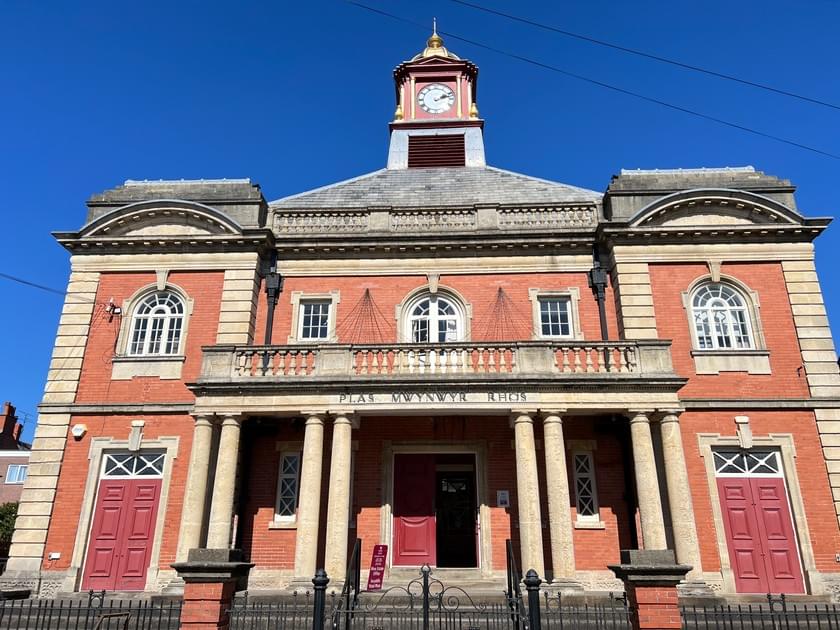


Centenary 2026
The Stiwt at 100: A Century of Spirit, Stage and SolidarityIn 2026, the Stiwt Theatre in Rhosllannerchrugog will celebrateits centenary—100 years since a North Wales mining community built a grand
institution in the face of national upheaval. A product of vision, sacrifice
and solidarity, the Stiwt remains one of Wales most remarkable cultural
landmarks.The theatre opened in 1926 the same year as the General Strike when miners across Britain walked out over wages and conditions. Amidst
the turbulence, the colliers of Rhos united to create a place for
entertainment, education, community life, and cultural pride.Funded by a £20,000 capital grant from the Miners’ WelfareAssociation, the Stiwt was designed to be much more than a theatre. Local
miners gave 20 old pennies each week from their wages to a revenue
fund for the day-to-day running of the building. The name “Stiwt” is the Welsh
spelling of “stute” a slang form of “institute” a nod to its identity as a true
Miners’ Institute.Its elegant Art Deco architecture was matched by thoughtfulfacilities inside. Along with a 1,000-seat auditorium adorned with local
sandstone pillars and refined detailing, the original Stiwt also housed a
reading room, snooker rooms, and meeting spaces. It was built to nourish both
mind and spirit.For decades, it did just that. The Stiwt became the cultural andsocial heart of Rhosllannerchrugog and the surrounding villages. It hosted
eisteddfodau, operas, male voice choir concerts, plays, films, political
gatherings, and countless community events. Young people learned to dance or
play instruments; older generations came for fellowship, news, and quiet hours
in the reading room.But like so many post-industrial institutions, the Stiwt sufferedin the wake of coal’s decline. It closed its doors in 1977 and stood silent for
over a decade. Still, the building remained close to the hearts of local
people, and in the 1990s, a determined campaign led by the Stiwt Arts Trust (YmddiriedolaethGelfyddydol Gyfyngedig y Stiwt) brought it back to life. With support fromthe community, the Welsh Office, local authorities and the National Lottery,
the Stiwt was restored and reopened in 1999.It is once again a vibrant hub for arts and community innorth-east Wales. Its 450-seat auditorium hosts theatre, music, film, youth
arts, and Welsh-language events. Its studios and rooms continue to serve local
groups and schools. The snooker tables and reading rooms are no longer in use,
but the spirit of enrichment and togetherness remains firmly in place.Centenary celebrations planned for 2026 will include concerts,exhibitions, and a project to gather memories from those who lived, worked, or
performed there. The Stiwt’s story is not just about architecture or
entertainment—it’s about the dignity and determination of the mining families
who made it possible.A century after its doors opened, the Stiwt still stands proudlyon Broad Street, its sandstone pillars weathered but strong. It is a living
monument to community, creativity and collective effort—values that still
define Rhosllannerchrugog and Wales itself.A tremendous amount of fundraising and voluntary repair work wascarried out, and in 1996, a grant from the Heritage Lottery Fund, administered
by the Arts Council of Wales, was awarded, which, along with support from local
charities and CADW, funded the complete restoration of the Stiwt, which
reopened in September 1999
